A Day Out at Quarry Bank
History, Nature, and a Lovely Wander with Linda
4/19/20263 min read
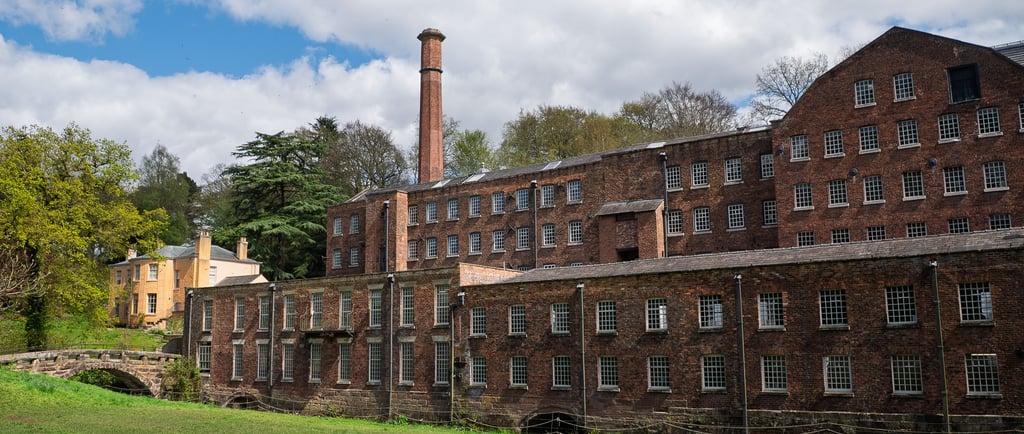
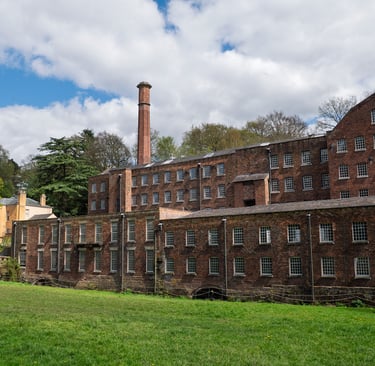
Yesterday, Linda and I decided to go back to Quarry Bank in Cheshire. Its a National Trust site that we went to in Covid times but sadly most of it was closed back then. Today we got to see everything and what a brilliant day it turned out to be. It’s one of those places where history and nature blend so seamlessly that you feel like you’ve stepped into another world for a few hours.
Stepping Into the Past
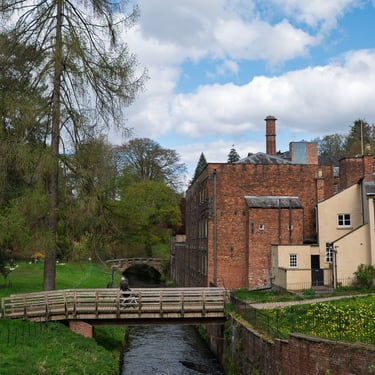
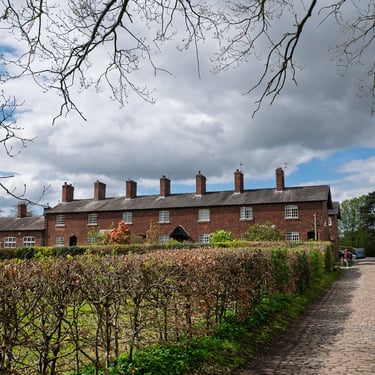
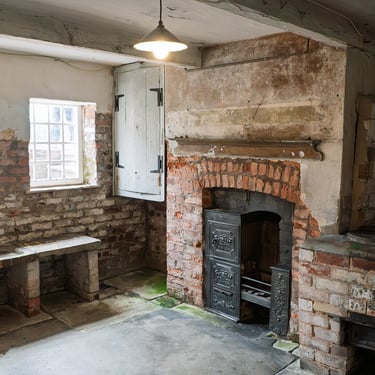
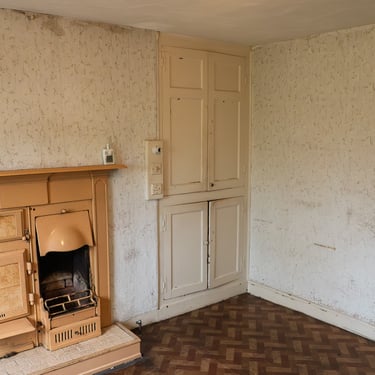
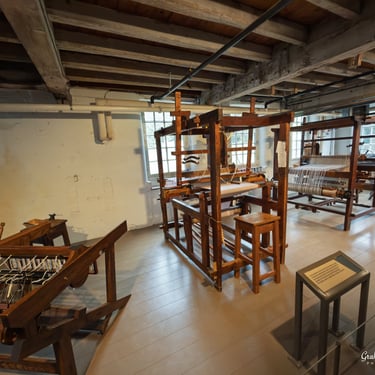
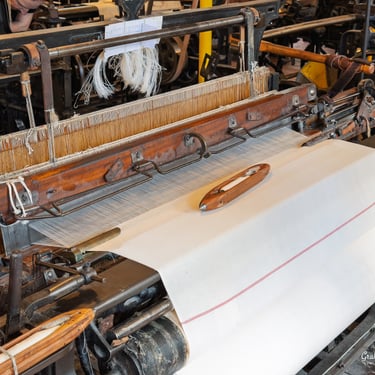
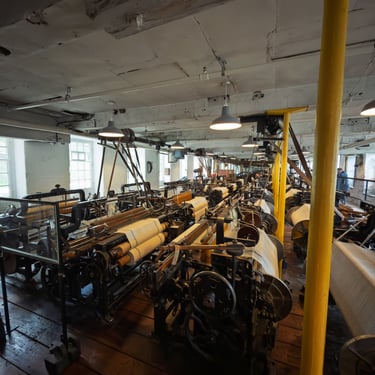
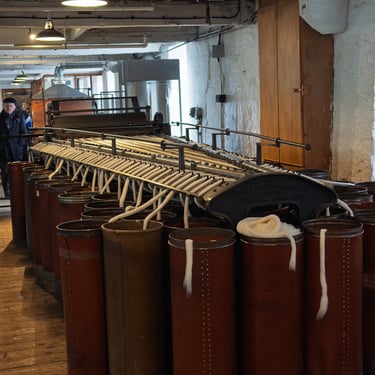
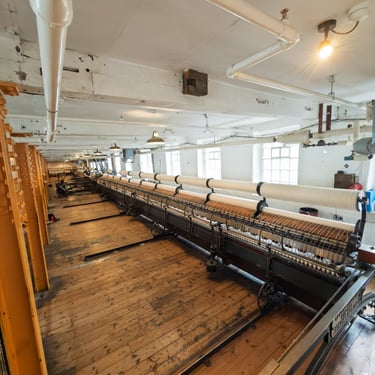
Quarry Bank Mill has a story that’s surprisingly human for such an industrial giant. Founded in 1784, it became one of the most important early cotton mills in Britain. What really struck us, though, was the vision of Samuel Greg. He wasn’t just building a mill; he was building a whole community. The bulk of the workforce at the start were children. Many were orphans or from families who struggled to make ends meet. They would be given 10 year contracts and would live in the Apprentice House, just up the hill from the mill, where they were given food, clothing, and schooling—but also long working days, 12 hours/6 days a week, and strict routines. Many were troublesome children and misbehaved regularly which would result in them being given fines. The problem with this was that they didn't get wages so their punishment was to work an extra hour a day until the fine was paid. One misdemeanor often took several months to clear. Walking through the Apprentice House today, it’s impossible not to imagine the lives of those children: the early mornings, the chores, the hours spent tending machines. It adds a layer of poignancy to the beauty of the estate.
Greg was a strong businessman and his motto was 'A healthier workforce gave a healthier profit'. To achieve this he knew that a thriving workforce, now adults rather than children, needed more than just wages. He created housing, education, and medical care for the mill workers—ideas that were well ahead of their time. Walking through the mill, you can almost feel the energy of the place as it once was: the clatter of machinery, the rhythm of work, and the lives that unfolded around it.
Wandering Through the Estate and Gardens
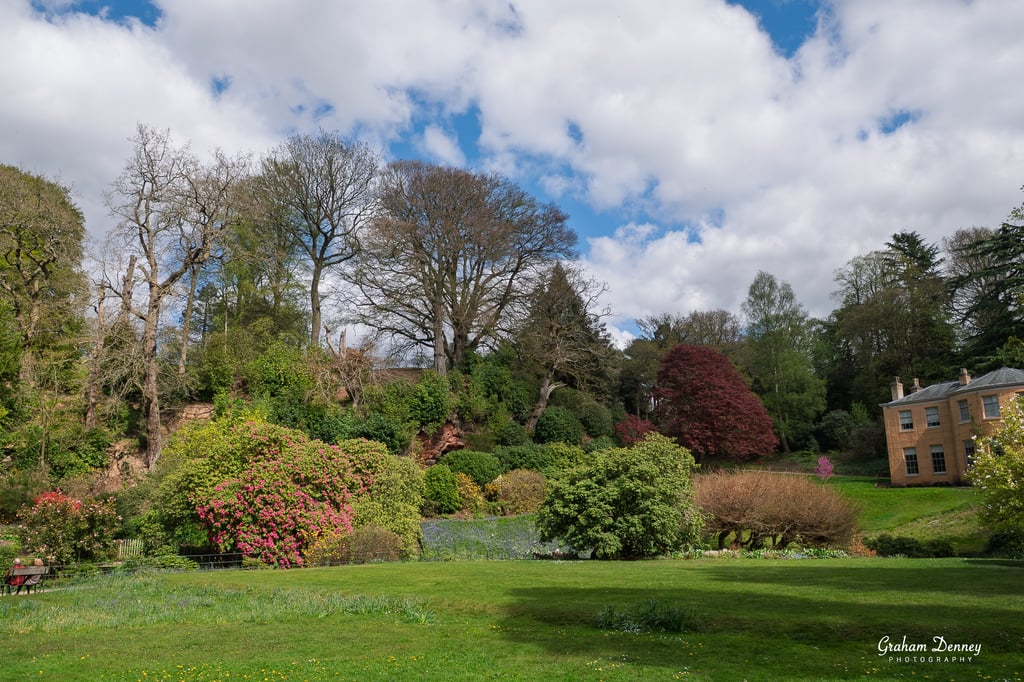
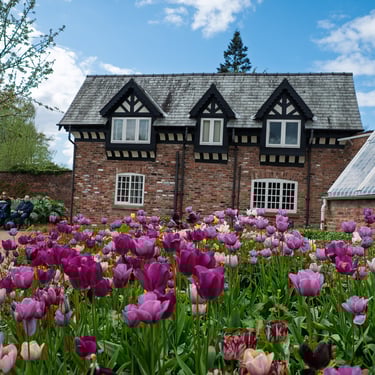
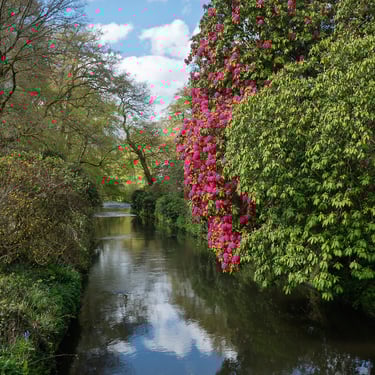
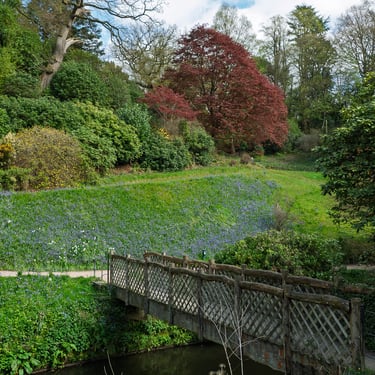
After exploring the mill, Linda and I headed into the gardens—and honestly, they’re worth the trip all on their own. The terraced gardens spill down the hillside in layers of colour, and the River Bollin winds gently through the estate like something out of a painting.
We took our time strolling along the paths, stopping every few minutes to admire something new: a burst of spring flowers, a quiet corner shaded by old trees, or a view across the valley that made us both pause. It’s the kind of place where you can breathe a little deeper.
A walk around the estate was the perfect way to round off the day. Quarry Bank is bigger than you expect, and the woodland trails give you a sense of how self‑contained the whole community once was. We followed the river, crossed little bridges, and let the calm of the place sink in. By the time we made our way back to the main buildings, we both felt refreshed—like we’d stepped out of everyday life for a while and into a story that’s still very much alive in the landscape.
Its a bit expensive at £24 each, especially for families, but it really is a very educational and beautiful day out. And if you are a National Trust member like ourselves then its a no brainer to visit.
One little tip is to book on the tours when you get there. They are in with the admission price but you must book them so they don't get too many people in one go as the houses and some rooms are very small. These tours are fantastic and the stories they tell just fascinating.